

Frank Amsden Biner
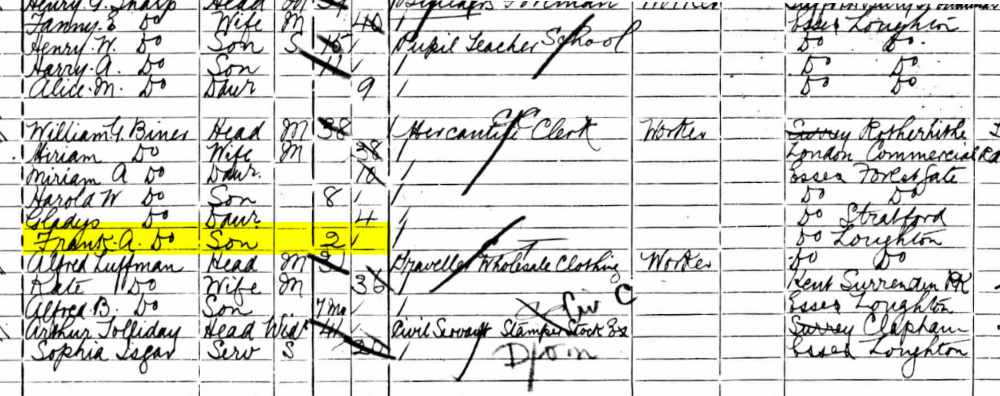
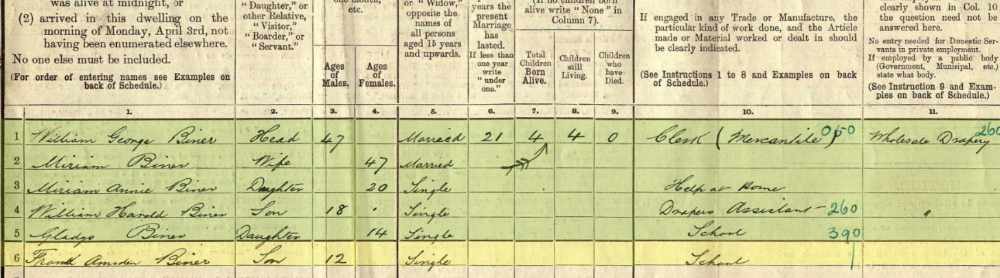
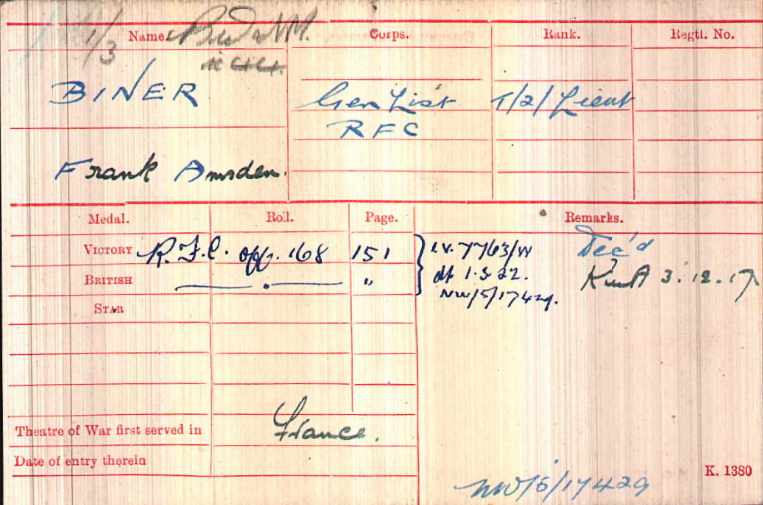
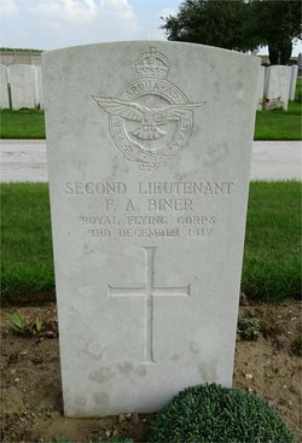
Frank Amsden Biner was born in Queen’s Park Road, Loughton, in July 1898. He was a Second Lieutenant in the 22nd Squadron of the Royal Flying Corps. He died on 3rd December 1917.
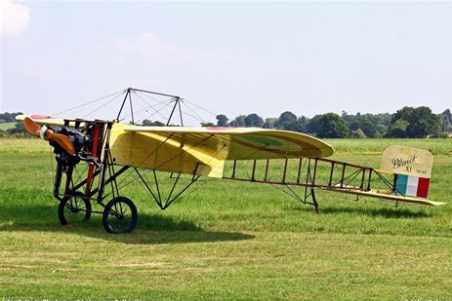
No. 22 Squadron was formed at Fort Grange, Gosport, on 1st September 1915, from a nucleus of men and equipment split off from No. 13 Squadron. The squadron trained on a variety of aircraft, including the Royal Aircraft Factory BE.2c, the Maurice Farman Shorthorn, the Bleriot XI and the Curtiss JN-3. It received its intended operational type, the Royal Aircraft Factory FE.2b, in February 1916, passing fourteen aircraft to No. 33 Squadron.
The squadron moved to France on 1st April 1916 and soon began conducting reconnaissance missions along the front lines. It flew fighter patrols during the Battle of the Somme in July 1916, in addition to its normal reconnaissance and photography duties supporting the army.
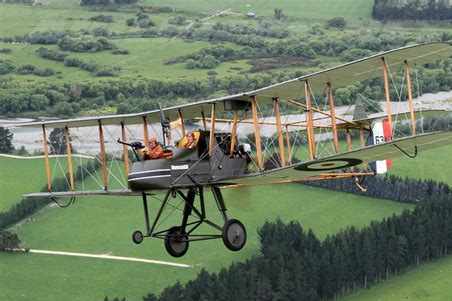
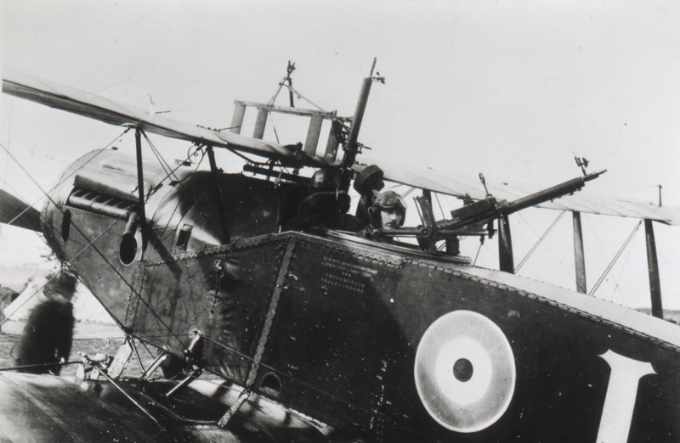
From July 1917, the squadron began replacing its FE.2s with faster, more capable Bristol F.2 Fighters, also known as the ‘Brisfit’. By 24th August, it had received its full complement of eighteen aircraft. This was in time for the squadron to take part in the Battle of the Menin Road Ridge in September 1917. The squadron was heavily engaged during the German spring offensive of 1918 and was forced to change bases as the German advance progressed. Later, as the Allies drove the Germans out of France during the Hundred Days Offensive, the Germans moved their bases to keep pace with Allied advances.
On 3rd December 1917, the 22nd Squadron of the Royal Flying Corps took part in air operations during the closing stages of the Battle of Cambrai on the Western Front. Flying Bristol F.2B fighters, the squadron provided fighter cover and support for bombing raids near Cambrai. That day became notable for a serious squadron disaster: two Bristol F.2B aircraft collided mid-air, killing all four crewmen aboard. Another aircraft suffered engine trouble and was forced down behind German lines, with its crew captured, whilst earlier in the day, one crew claimed to have shot down an enemy two-seater near Roulers. In which of these incidents Frank was involved, I do not know, but we do know he sadly died that day.
The squadron moved to Spich, near Cologne, Germany, as part of the British Army of Occupation in March 1919 and left for home at the end of August that year. After a period as a cadre unit (without aircraft) at RAF Ford in West Sussex, the squadron formally disbanded on 31st December 1919.
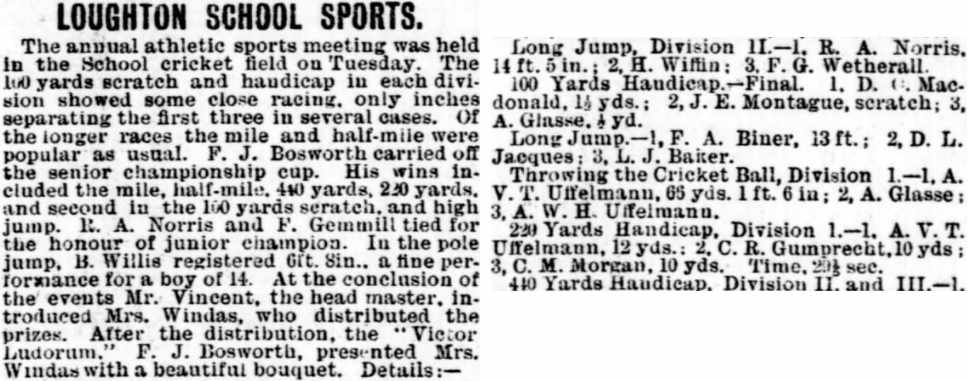
Showing Frank won the long jump.